AB 2050: A Circular Attempt at Mandatory HOA Reserve Funding
Supporters of AB 2050 say HOAs must fund reserves, at least at a minimal level. But it won’t fix what owners must pay for deferred maintenance.


Supporters of AB 2050 say HOAs must fund reserves, at least at a minimal level. But it won’t fix what owners must pay for deferred maintenance.
Condominiums from the 1970s and 80s are having a midlife crisis. What if we could reimagine state law to simplify and incentivize repair and preservation? Here’s a proposal for the Vintage Condominium Act.

After a frantic rush to pass legislation before the August 31 deadline, various bills affecting condominiums are waiting for the governor’s signature. The big news is one that failed.
HOAs pay a 30% tax on reserve fund interest. Legislative history from 1980 shows Congress set it deliberately high because they thought people in HOAs were well off.
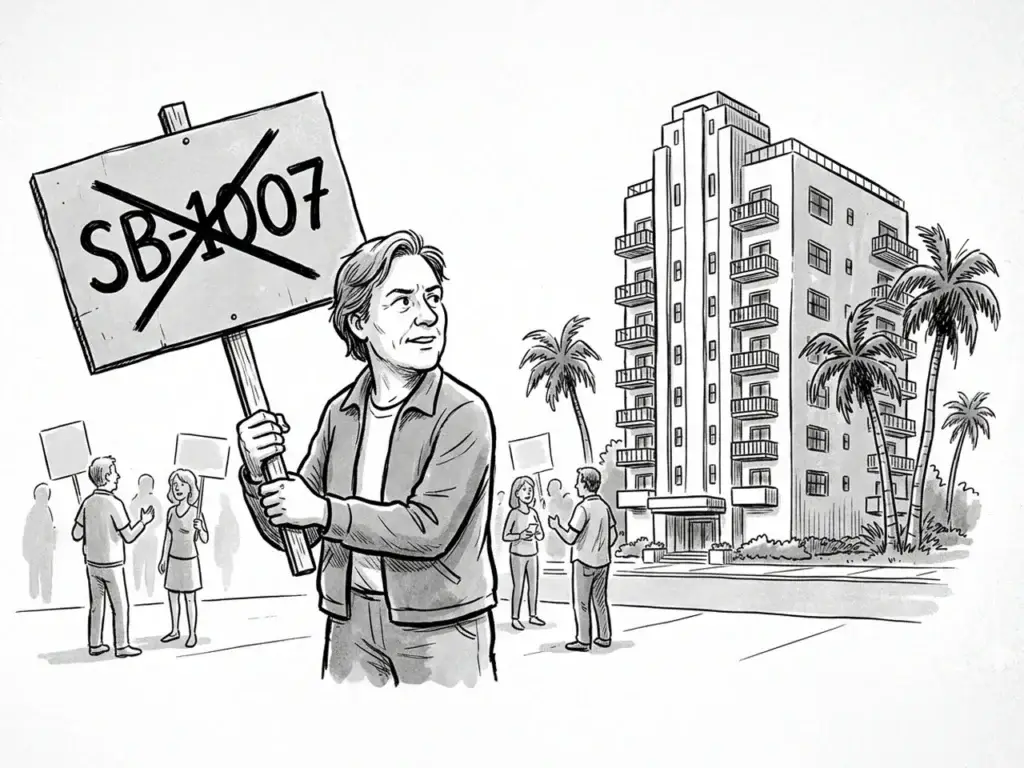
SB-1007 would require a voting process with approval by a majority of a quorum of unit owners for any budget that’s increased more than eight percent—a proposal that can cripple condo associations in California.
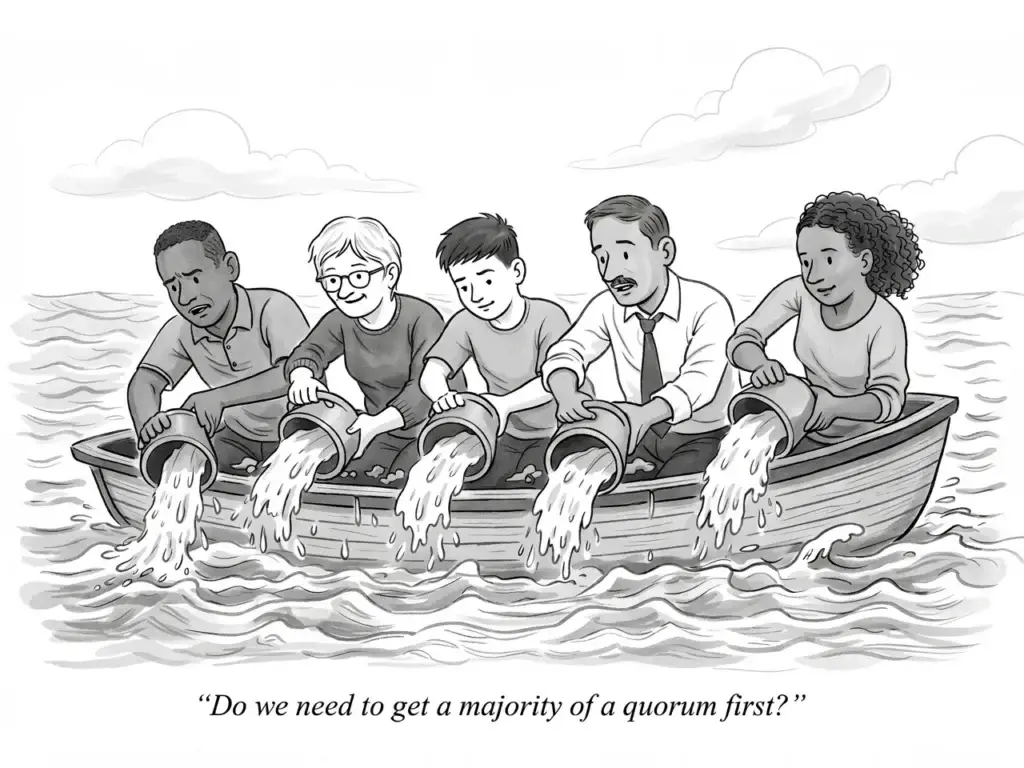
When HOAs have flat reserves or their dues are too low, California’s Davis-Stirling Act is unforgiving. A punitive law–an extreme outlier among states–makes it harder than it should be for new boards to catch up when they inherit a mess.
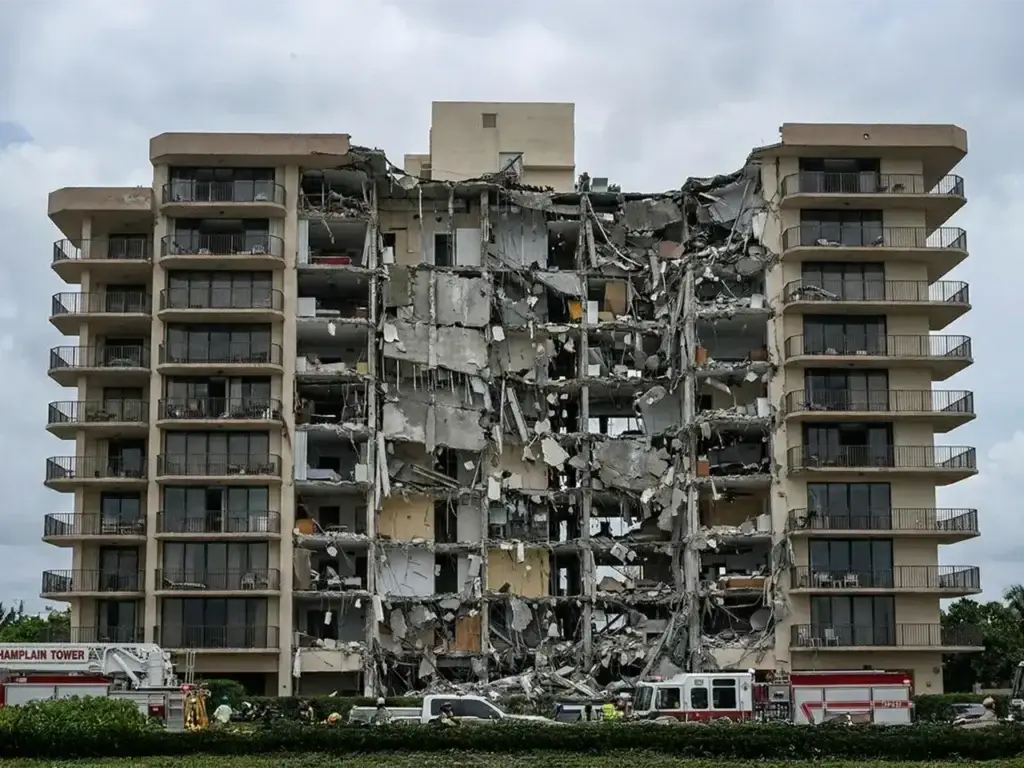
After a condominium building collapsed in Surfside, FL, taking 98 lives, the Florida legislature reacted by mandating fully funded reserves. But design flaws, not low reserves, were the root of the tragedy. Heavy-handed reserve requirements may endanger more buildings than they save.

Security in a condominium building is a moving target. Cameras are an HOA’s best tool for catching culprits and fixing weak spots. Here are three true condo mystery stories and how they were solved.
Almost two years after CondoWonk reported that a little-known electric rate could lower HOA common area electric bills, an LADWP spokesperson acknowledges that its website provides no information. Instead, LADWP’s website refers only to a residential rate that causes bills to spike in the summertime.

Condominiums may save money on common area electricity by switching rates, but LADWP’s website won’t tell you about it. This article, a companion to LADWP Electricity Rates: One that may Save your HOA Money is Still Secret, gives step-by-step instructions for switching rates.