Note: This article replaces an earlier version which incorrectly stated the year in which the 30% tax rate began. While the 1976 Act established Section 528 and most of its provisions, the tax rate was not finalized until 1980. This revised article includes research on significant legislative history revealing how the 30% tax rate was selected.
Homeowner associations (HOAs) pay an astonishing federal tax rate of 30% on interest on reserve accounts.
Buried in a Senate Committee report from 1980, I finally found out why.
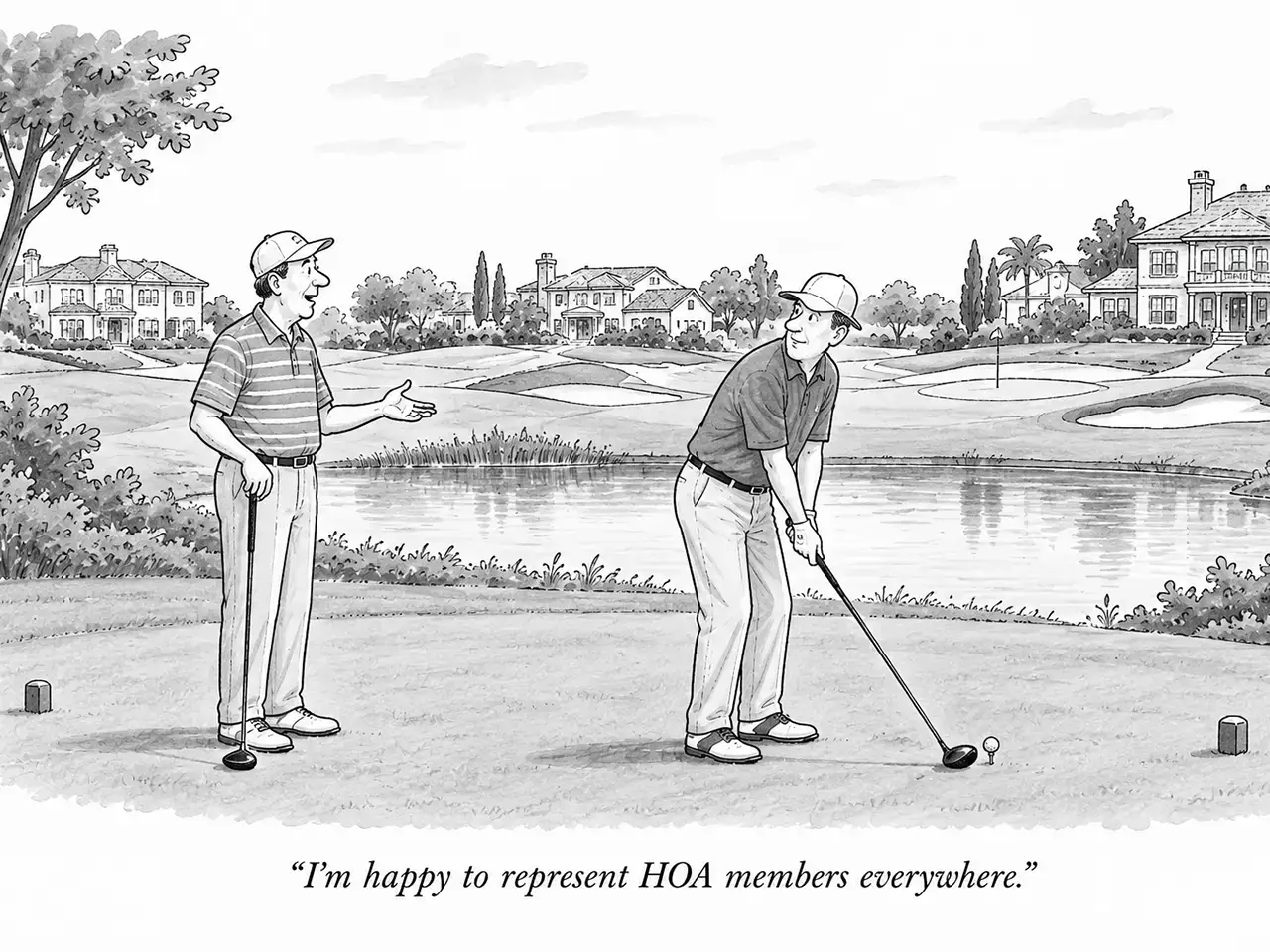
Congress associated HOAs with golf courses and tennis courts. The committee chose 30% because they believed that people who lived in HOAs were in a high tax bracket.
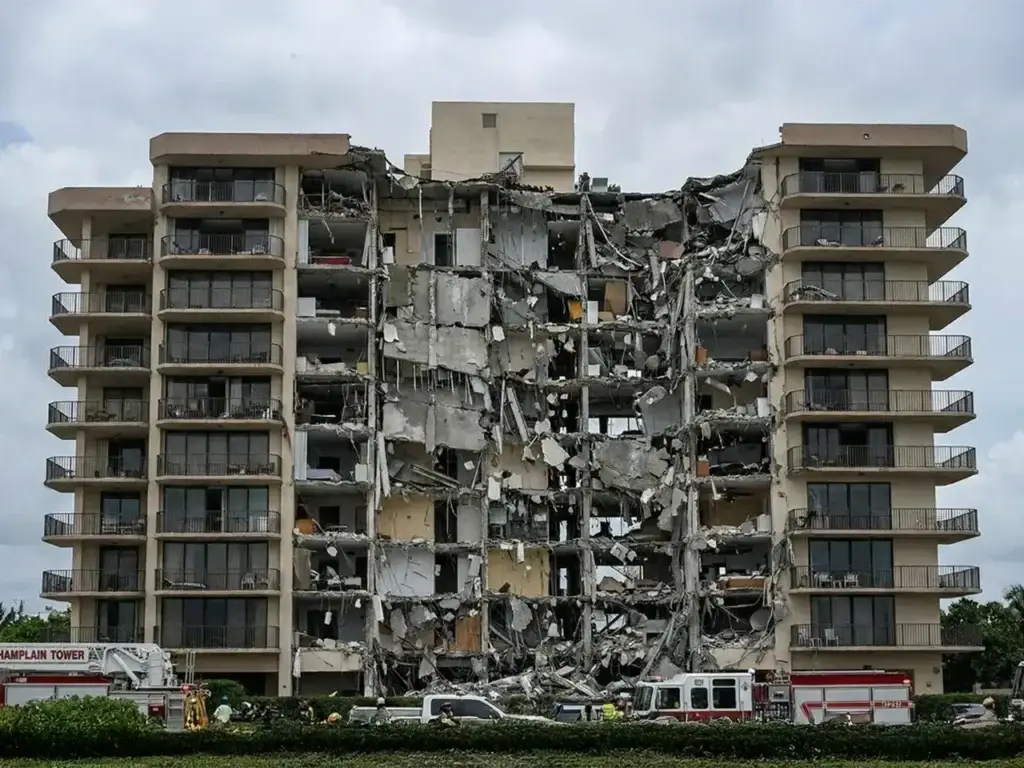
Today, that rate is hurting HOAs trying to save for necessary building repairs.
The tax rate—far higher than the average personal income tax or even the rate corporations pay—means reserves can’t even keep up with inflation.
Yet the rate, established by Congress in 1980, continues to this day with very little attention.
Where it comes from
Most HOAs are organized as nonprofit corporations under state law and must file state and federal income tax forms.
The Tax Reform Act of 1976 recognized HOAs as a separate category and created a new Section 528 of the federal tax code. Section 528 exempts HOAs from paying federal income tax on assessments they receive from their members. Under Section 528 they do, however, pay tax on non-exempt income, including interest on reserve accounts, after a $100 deduction.
As used in Section 528 and in the Davis-Stirling Act, the term HOA includes both condominium associations and associations that manage single-family home communities.
The 30% rate is not in the 1976 Act. Instead, the 1976 Act said that the tax on nonexempt income would be taxed under a normal corporate rate.
The Revenue Act of 1978 changed that to the highest regular corporate tax rate, then 46%.
The Miscellaneous Revenue Act of 1980 fixed the rate at 30%, where it’s been ever since.
How the 30% rate was chosen
The report from the Senate Committee on Finance concerning the 1980 act assumes that HOA members are “likely to be in higher tax brackets” and refers to HOA facilities “such as tennis courts, swimming pools, golf courses, etc.”
The committee was concerned that if they allowed HOAs to use graduated corporate rates, wealthy homeowners would use HOAs to shelter income:
“…[T]axation of an association at the regular corporate rates would generally result in the taxation of this income at a rate of 17 percent. Members of homeowner associations are likely to be in higher tax brackets. In addition, there are apparently no rules that would prevent abuse of the graduated rate structure by commonly controlled or related homeowners associations.”
The flat rate was meant to approximate the average marginal tax rate for HOA members:
“The committee believes that the taxable income of a homeowners association should not be subject to tax at higher rates than the rates which would normally apply to such income if it were taxable to the members of the association. However, it would be too complicated to require a pass through of ratable portions of an association’s income to its members. Consequently, the committee believes that it is appropriate to tax the income of homeowners associations at a flat rate of 30 percent, which may reasonably approximate the average marginal income tax rate of the members of these associations.” (emphasis added)
Filling out the tax forms
Section 528 created a special HOA short form for tax reporting, 1120-H. After a $100 deduction, the 30% rate applies to interest on reserves and other non-exempt income for all HOAs using the short form (other than timeshares, which pay 32%).
HOAs can elect to file their taxes as regular corporations using an 1120 form, which carries a tax rate of up to 21% on HOA interest income. However, the filing is more complex and is said to be more likely to be audited. The vast majority of HOAs use the short form.
California also taxes reserve fund interest
In addition to the federal taxes, many states impose income tax on non-exempt income. In California, HOAs, after deducting $100 from the taxable amount, pay an 8.84% tax on reserve interest on top of the 30% federal tax.
Final thoughts
High taxes on reserve funds, combined with a requirement or expectation that HOAs invest only in safe funds, means that savings fail even to keep up with inflation.
Today, very few older buildings have adequate reserve funds. There are a lot of different reasons why they don’t, but this is one of them.
Fixing this tax rate will not instantly reverse this systemic problem. However, it’s a long overdue correction of a tax rate that was deliberately set high to discourage tax evasion by golf course communities but instead damaged, and continues to damage, homeowners living in some of California’s more affordable housing.