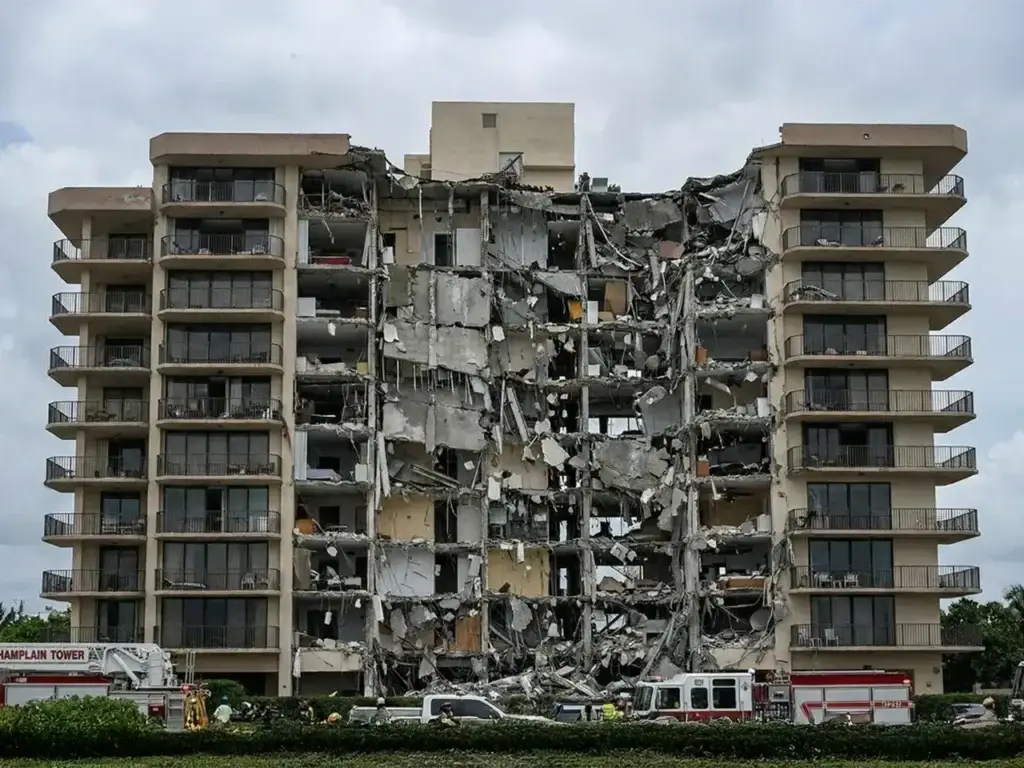
When California’s Legislature reached the deadline for passing bills at midnight on August 31, a major bill meant to make it easier to build more condos collapsed just short of the finish line.
Only about 3,000 new condominiums are built each year in California, a steep decline widely blamed, at least in part, on the state’s construction defect liability laws.
AB 1903, authored by Assemblymember Buffy Wicks, a Democrat from Oakland, was intended to stimulate the construction of entry-level housing by reforming those laws. Co-sponsors were the California Building Industry Association and Habitat for Humanity, and the bill was supported by various housing organizations.
After a series of concessions to Consumer Attorneys of California and HOA groups, the bill passed both houses with no opposing votes. Nonetheless, the bill died in the final hours of the legislature, never making it back to a concurrence vote in the Assembly.
Both a published report and a CondoWonk source blame the chair of the Senate Judiciary committee for slow walking the heavily amended bill through the voting process in the final hours.
The cause of death is still under investigation. Did someone intentionally run out the clock? Or was there just a missed connection somewhere? Assemblymember Wicks is expected to bring back the bill next session.
Other Failed Bills
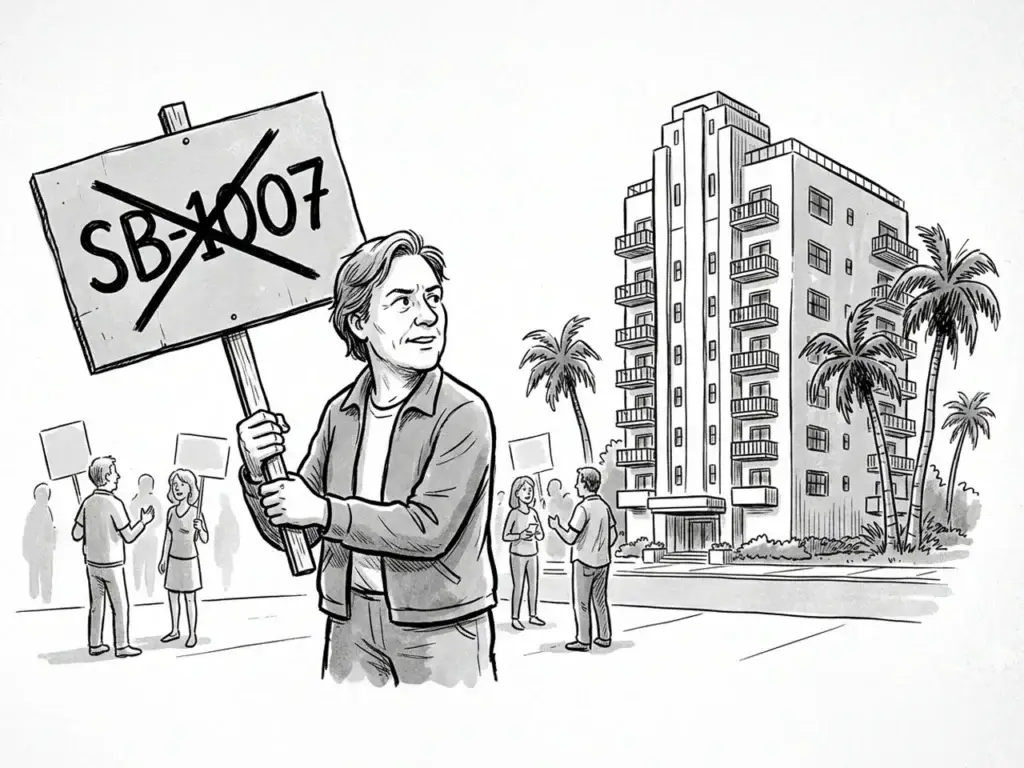
There is no particular mystery to the demise of SB 1007. In June, the bill’s author canceled a committee hearing and the bill moved no further. The bill was opposed by multiple sources (CondoWonk added its negative view). Had it passed, the bill as amended would have required affirmative approval of a majority of a quorum of homeowners to raise assessments by more than 8%, rather than the current 20% threshold.
Another bill, AB-2579, was ordered to the inactive file at the request of its author. It would have added a second exception to the $100 fine cap adopted last year, for violations on a list the Department of Real Estate would publish.
Legislative Cycle
This is the second year of California’s two-year legislative cycle, which formally ends on November 30. A new cycle begins December 7.
Below are bills that made it through. A few have been signed into law but most are, of this writing, awaiting the governor’s signature.
September 30 is the last day to sign or veto bills. On average, the governor signs more than 80% of enrolled bills.
Reining in Managers
Bills that fail during the first year of California’s two-year legislative cycle can carry over if they follow certain complicated rules. Last year, AB 739 attempted to license managers. In what is possibly one of the shortest bills ever written, operative language consisted entirely of the following: “A managing agent of a common interest development shall hold a real estate broker license issued by this state.”
Under current law, managers in California are not licensed but can seek voluntary certification. Community Associations Institute (CAI), one of two large organizations that certifies managers, is on the record generally as opposing licensure.
This year’s bills did not revive the licensure issue. Instead, several bills chip away at the edges.
AB 739 made a return in name only. It’s just a frame and the license requirement from its original version is stripped out. The new version requires boards to annually review all fees paid to the manager, including base fees, additional services and expenses.
AB 2439 would require the HOA to notify every member within 60 days if the person authorized to receive payment of assessments is changed.
SB 1238 creates new Civil Code 5390:
Any managing agent, including its employees, that facilitates activities pursuant to Sections 5300, 5310, and 5500, or other activities pursuant to this part that are authorized by the board, owes a duty of care that is prudent and provides the highest good faith effort to the association and its members.
Those sections refer to the annual budget report, the annual policy statement and the financial review.
The final three words “and its members” may be significant.
Reminder: I’m not licensed to practice in California. But according to a California firm that specializes in HOA law, the board has a fiduciary duty toward homeowners and the manager works for the board. Their website cites an unpublished 2026 decision for the proposition that the manager does not have a separate tort duty to homeowners.
Does this bill change that? We’ll see.
Building Inspections
Two separate bills contain parallel language to change inspection and reserve study requirements on a complicated phased-in basis. The language originated in AB 2050 and was adopted by SB 1238 (the bill discussed above) on August 21. Which language makes it into law depends on both bills being enacted and the order in which that happens.
I’m sticking a pin in this one while the dust settles.
Simplifying elections
AB 1892 simplifies election by acclamation when there are at least as many board positions as there are candidates, cutting the initial notice from 90 days to 30 and the reminder to not less than 10 days.
This bill, already signed by the governor, is a small but welcome improvement on existing law, which allowed voting by acclamation only if the HOA had followed complicated rules adding extra time to the nominating process leading up to the election. HOA’s that didn’t were forced to go through with a pointless election.
The bill also provides makes a small adjustment to the electronic-ballot notice rules adopted in 2024.
Running Hot and Cold
AB 1684 would void any provision or policy that prevents installation or use of a cooling system in the member’s separate interest.
SB 222 similarly voids any provision that restricts installation or use of a residential heat pump water heater or heat pump HVAC system.
AB 1892 (yes, the same one to simplify election rules) clarifies that the HOA is responsible for repairing gas, heat, water or electrical service when the interruption begins in the common area.
Electric Vehicle Charging Liability
SB 1267 amends Civil Code 4745, the law requiring HOAs to permit owners to install electric vehicle chargers. It declares the Legislature’s intent that HOAs be protected from civil liability for injury or damage from a member-owned charging station, unless the association was grossly negligent. It also requires the installer—a term not defined in the bill or the existing statute—to indemnify or reimburse the association or the members for loss or damage caused by the installation.
Not for everyone
Two bills that made it through the legislature were targeted for very particular audiences.
AB 2692, which is limited to LA County, makes it easier for HOAs to reinstate expired condominium documents. Or, if you read the legislative history, one particular HOA.
The bill helps the Via de la Paz HOA in Pacific Palisades rebuild after the fire. Their 1974 CC&Rs expired automatically after 50 years, leaving the association without legal authority to act. The board collected $41 million in FAIR plan insurance but was unable to spend it to rebuild.
AB 2692 was signed on August 24 as an urgent matter and took effect immediately. The bill sunsets on January 1, 2028, giving Via de la Paz a window in which to reinstate their CC&Rs.
The other targeted bill is AB 2035, which makes it easier for a particular HOA to amend its old CC&Rs.
Existing Civil Code 4275 lets the association or any individual member petition the court for approval of an amendment, provided members representing more than 50% of the votes actually voted in favor. This bill lowers that to more than 37% of the votes—but only for a senior citizen housing development with more than 6,000 separate interests in a single-class voting structure, tenant-occupied units exceeding 25% and a declaration that hasn’t been amended for at least 35 years.
The Senate Judiciary analysis names The Laguna Hills Third Mutual HOA, a senior community made up of 6,102 homeowners, as the sponsor of the targeted legislation.
The HOA is quoted as saying that they cannot meet the 67% quorum requirement despite two amendment attempts. One of those attempts reached 47% turnout with 85% support among those voting, at a cost of over $140,000. The governing documents have not been updated since 1988.
Final Thoughts
The problem of outdated documents that expire unexpectedly or require high supermajorities to amend will accelerate as more HOAs hit the 50-year mark. It might be a good idea to check out your documents.
As someone who practiced law in a state where managers are licensed, I believe in licensure. A well-designed program ensures that managers stay up to date on HOA legal requirements and gives HOAs recourse against unethical agents.
However, the license must be specific to the actual tasks required of a manager. Even for those who support licensing, the real estate broker license seems unduly burdensome while simultaneously irrelevant to managing agents’ actual duties.
This post is a first look at many of the bills waiting for the governor’s signature or veto. CondoWonk will keep you posted on their progress. You can click the link on any of the bills to get its official, up-to-the-minute legislative history.