AB 2050: A Circular Attempt at Mandatory HOA Reserve Funding
Supporters of AB 2050 say HOAs must fund reserves, at least at a minimal level. But it won’t fix what owners must pay for deferred maintenance.

Supporters of AB 2050 say HOAs must fund reserves, at least at a minimal level. But it won’t fix what owners must pay for deferred maintenance.
Condominiums from the 1970s and 80s are having a midlife crisis. What if we could reimagine state law to simplify and incentivize repair and preservation? Here’s a proposal for the Vintage Condominium Act.

After a frantic rush to pass legislation before the August 31 deadline, various bills affecting condominiums are waiting for the governor’s signature. The big news is one that failed.
HOAs pay a 30% tax on reserve fund interest. Legislative history from 1980 shows Congress set it deliberately high because they thought people in HOAs were well off.
When HOAs have flat reserves or their dues are too low, California’s Davis-Stirling Act is unforgiving. A punitive law–an extreme outlier among states–makes it harder than it should be for new boards to catch up when they inherit a mess.
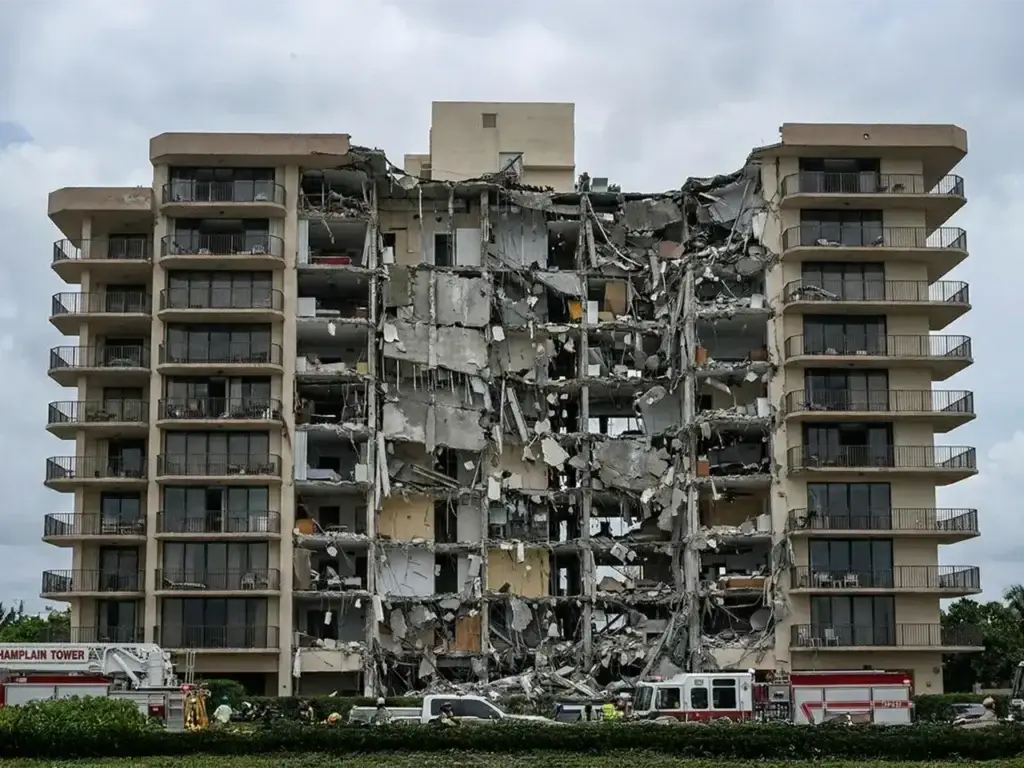
After a condominium building collapsed in Surfside, FL, taking 98 lives, the Florida legislature reacted by mandating fully funded reserves. But design flaws, not low reserves, were the root of the tragedy. Heavy-handed reserve requirements may endanger more buildings than they save.
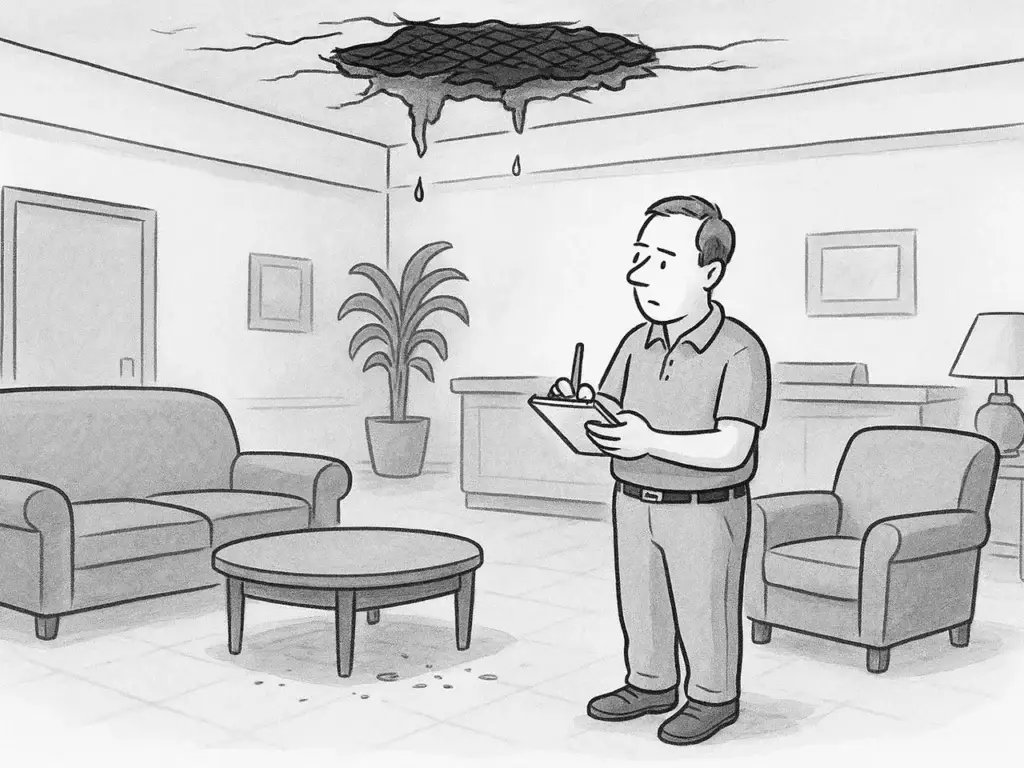
California law requires HOAs to do a condo reserve study every three years. The study can include a daunting list of minor components while leaving gaping holes—and unexpected expenses to be covered by special assessments.
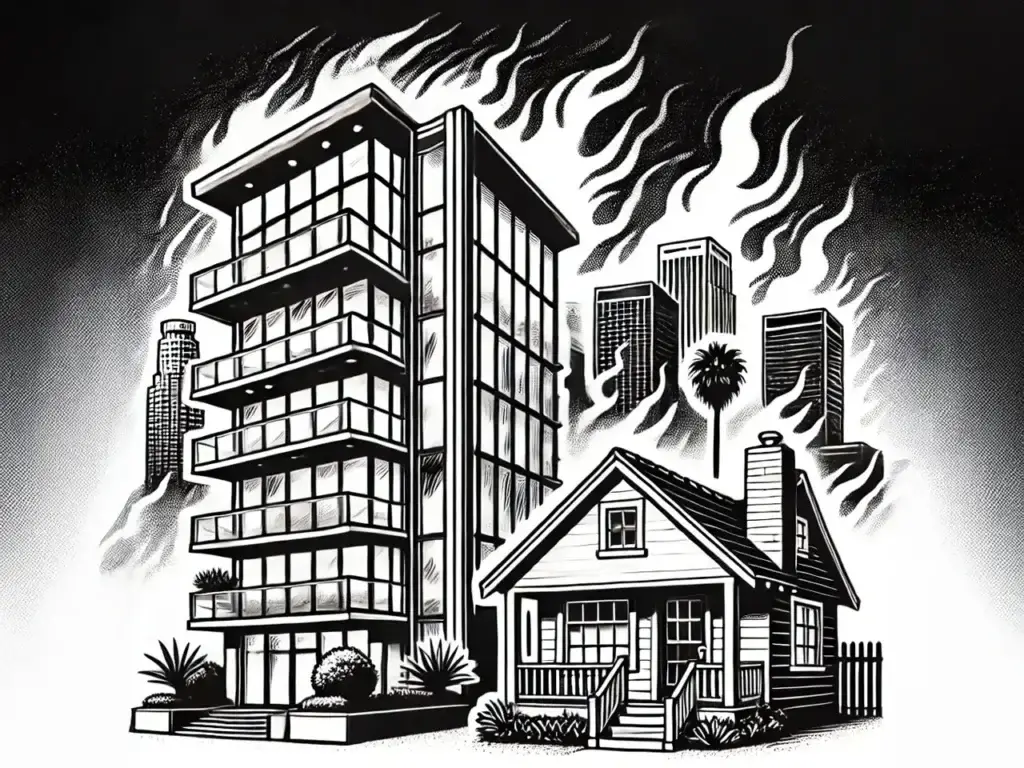
Condominium association policies are classified as commercial, not residential. That means condo associations are not guaranteed the consumer protections provided to single-family homes—including a moratorium on cancellations in areas near Los Angeles burn areas.

Organics recycling is now mandatory in California, including for condo buildings. Your waste hauler’s rules may offer a less messy method for compliance.
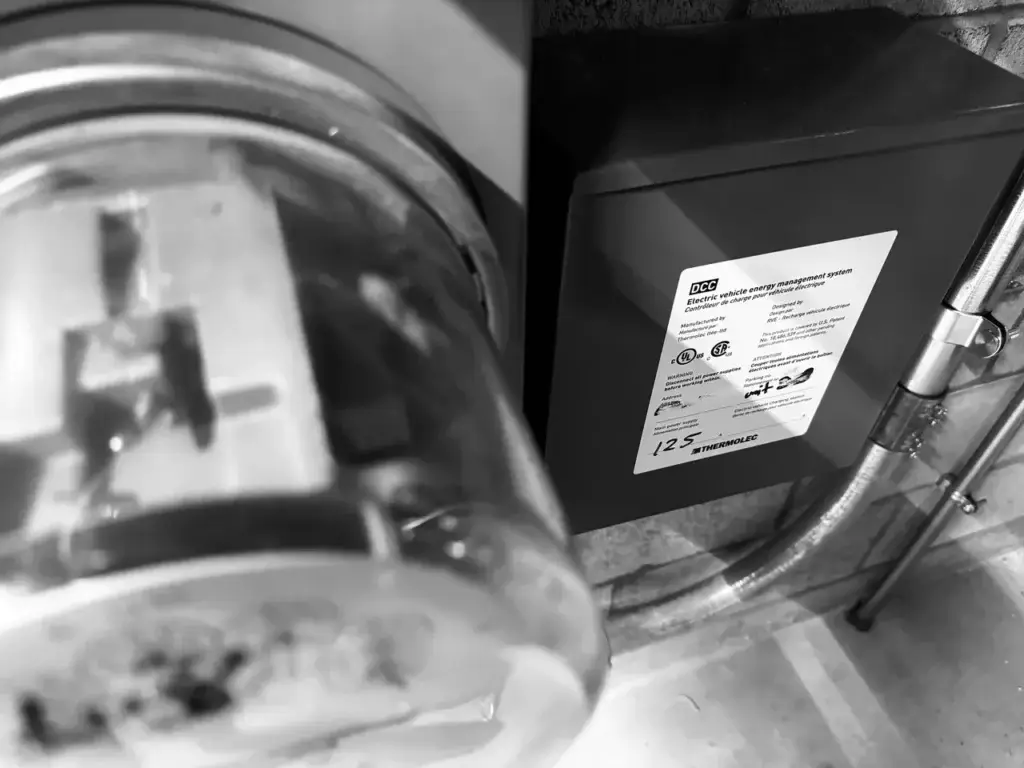
California Law 4745 requires HOAs to allow owners to install EV chargers, even in aging buildings with limited electrical capacity. After a fire in the electrical room, a board explored its options, including third-party stations, Level 1 “trickle charging” and Level 2 chargers with devices to prevent overloading capacity.