HOA Reserve Fund Tax: Why Your Association Pays a Higher Rate Than Apple
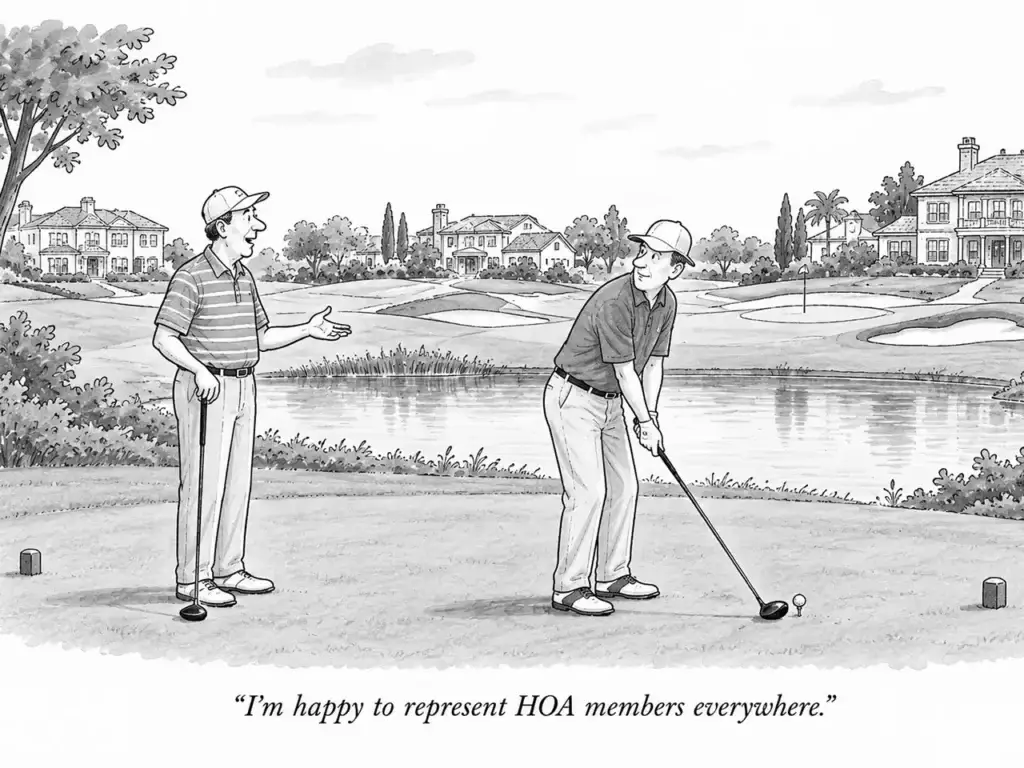
HOAs pay a 30% tax on reserve fund interest. Legislative history from 1980 shows Congress set it deliberately high because they thought people in HOAs were well off.
When HOAs have flat reserves or their dues are too low, California’s Davis-Stirling Act is unforgiving. A punitive law–an extreme outlier among states–makes it harder than it should be for new boards to catch up when they inherit a mess.
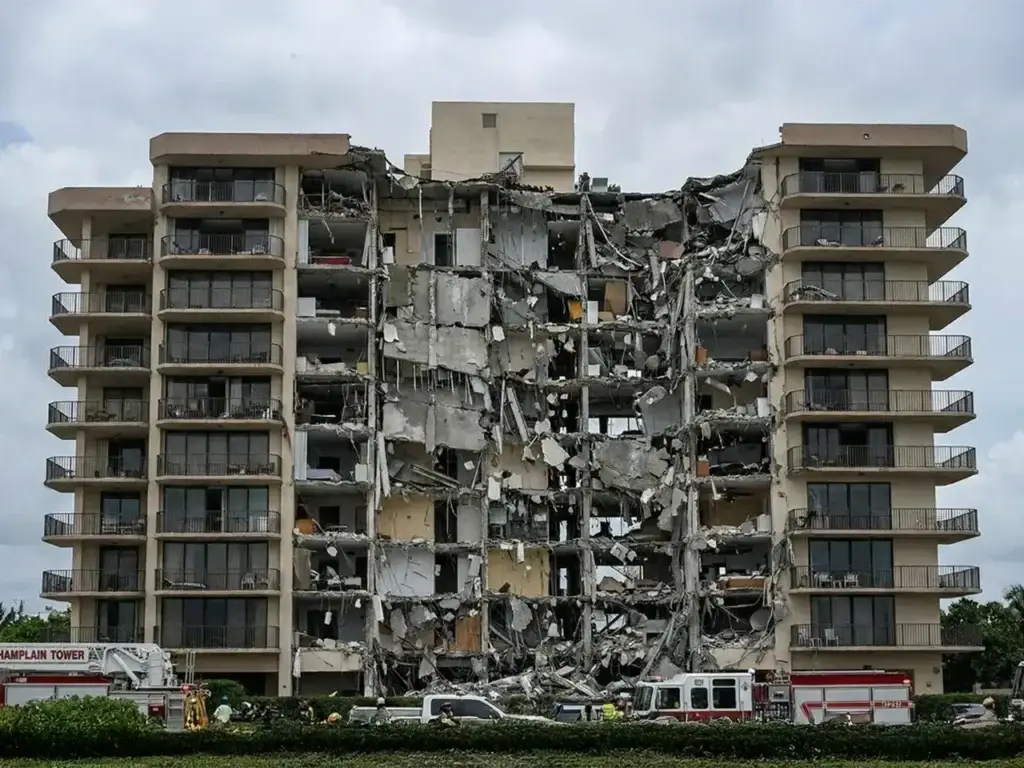
After a condominium building collapsed in Surfside, FL, taking 98 lives, the Florida legislature reacted by mandating fully funded reserves. But design flaws, not low reserves, were the root of the tragedy. Heavy-handed reserve requirements may endanger more buildings than they save.
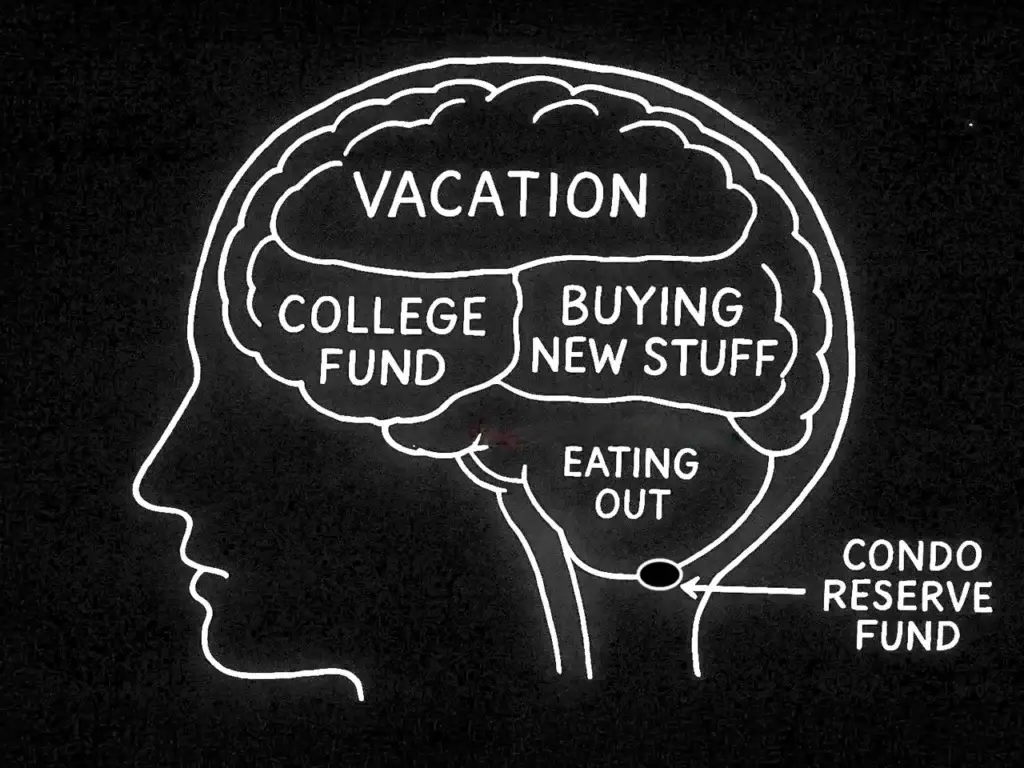
Conventional wisdom says you should fully fund your reserves. But it’s hard: humans aren’t wired to save for the future, nor does it always make good sense from an investment perspective. Here’s a different approach to condominium reserves and funding major projects.
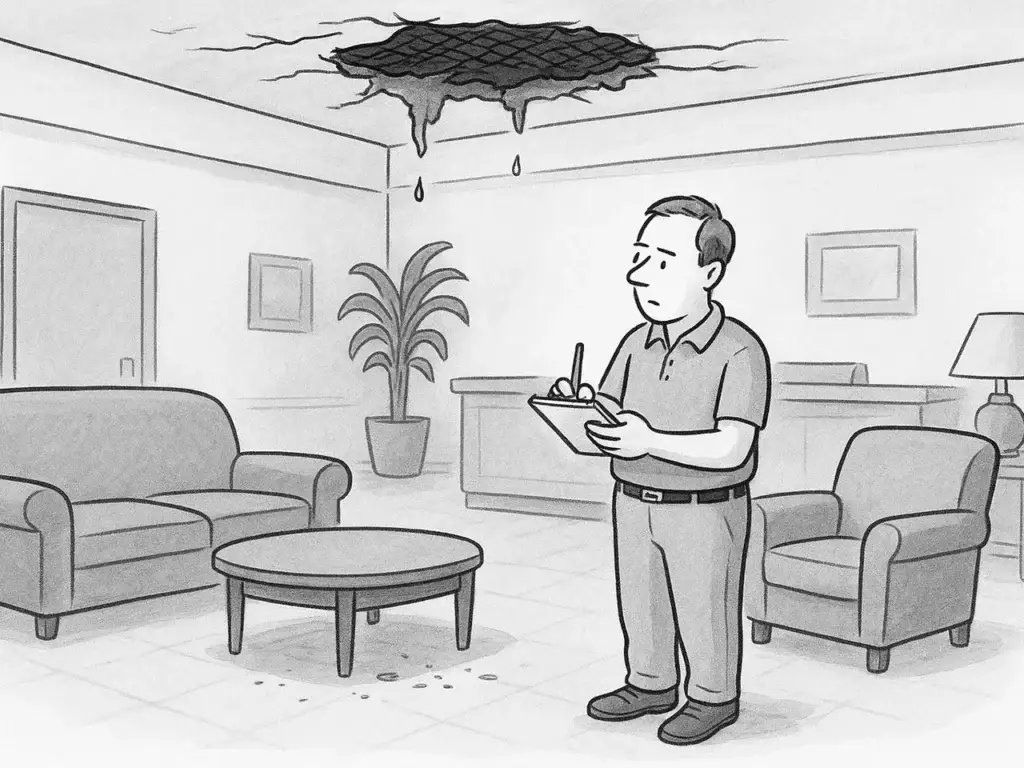
California law requires HOAs to do a condo reserve study every three years. The study can include a daunting list of minor components while leaving gaping holes—and unexpected expenses to be covered by special assessments.
Almost two years after CondoWonk reported that a little-known electric rate could lower HOA common area electric bills, an LADWP spokesperson acknowledges that its website provides no information. Instead, LADWP’s website refers only to a residential rate that causes bills to spike in the summertime.
Most condo units for sale in Los Angeles are in buildings that are more than 30 years old. They may offer nicely remodeled units with generous space, but older buildings need more maintenance. Here’s advice on issues buyers are likely to find while shopping for a condo unit in older buildings.
Given the reality of multi-million-dollar deductibles that may exceed actual damages, even HOAs that carry expensive earthquake policies may not have meaningful coverage. Boards can consider dropping the coverage—if their CC&Rs let them.
Replacing common area lighting with energy-efficient, long-lasting LEDs can save HOAs significant money on electricity and replacement, with a quick payback and improved appearance. LADWP’s Commercial Direct Install program may replace some lighting for free.
Organics recycling is now mandatory in California, including for condo buildings. Your waste hauler’s rules may offer a less messy method for compliance.